
What Do Yellow Headlights Mean for Driving in Snow and Fog?
Warm color reads as brighter after dark. It doesn’t mean the beam carries further. A well-designed lamp hands you the road edge earlier and keeps glare out of oncoming eyes; the pattern holds when the road gets wet. We hold our cut-off line to within two or three degrees — the far beam is where scattered light ends up in somebody else’s headlight.
Once snow and fog come in, the definition stops mattering. The question worth asking is simpler: how does this lamp actually behave, on your car, at the speeds you drive, in the conditions you drive in? Two lamps can sit side by side on a spec sheet looking identical, then perform worlds apart once fitted.
Keep the two things separate. Taste is one — a warmer beam is easier on tired eyes, and if you like it, keep it. The other is performance, and it doesn’t follow from color. We’d rather you judge the whole system: the beam pattern, the output, what the housing is built from, how it runs warm over an hour.
The switchable lamps — the ones that flip between yellow and white — need one extra check. Which parameters change when you switch modes? Which stay the same? And which of these were actually measured, not modeled? If the answer to that is “not yet,” you already know something.
What Is the Difference Between a Yellow Beam and Yellowed Headlight Lenses?
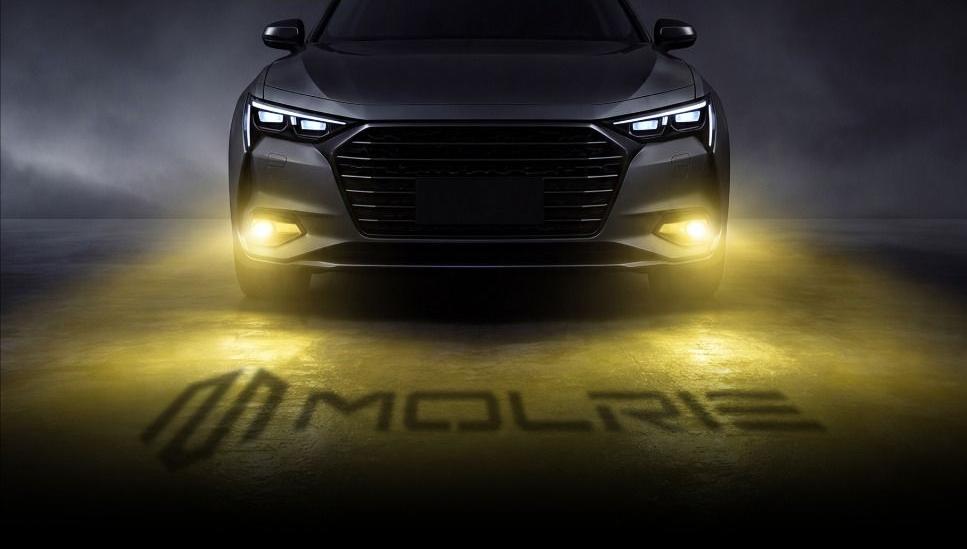
A yellow beam is a design decision. The lamp was built to throw that color, and it does. A yellowed lens isn’t a mode at all — it’s wear. One lives in the spec sheet. The other lives in the miles.
Here’s the tell. A lamp that shipped white and now runs yellow in patches, or one where the left and right no longer match — that’s the lens aging, not a feature. Inspect the assembly. Clean the cover, check the housing for fine cracks, and if the haze stays, replace the lens. That’s maintenance. It doesn’t say yellow headlights are better. It says the plastic is doing a bad job.
Keep the two concerns apart. Choosing a warm beam is a product decision — the color, the cut-off, the output you actually want on your road. A cloudy or discolored lens is an upkeep problem, and after a few winters of UV it’s an expected one. Judging one by the other tells you nothing about either.
Yellow vs White Headlights: What Are the Differences Under Snowy and Foggy Conditions?
When searching for “yellow headlights vs white headlights”, people may only focus on light color. In practice, however, comparisons usually involve the complete lamp assembly, and configurations can vary widely between products. Before comparing results, verify consistency in lamp application, optical design, output performance, mounting position and test methodology. Only when these variables are controlled can results be attributed to the tested system itself, rather than merely the beam color.
How Does Fog Affect the Comparison Between Yellow and White Headlights?
A controlled experiment tested target detection performance of complete halogen, xenon and LED headlight systems in a dark artificial fog environment. Participants took the shortest average time to identify targets with the tested halogen system, followed by the tested xenon system and then the tested LED system. The measured color temperatures were 3031 K for halogen, 5098 K for xenon and 5122 K for LED.
This experiment is informative, but its conclusions come with clear scope limitations. The test compared complete headlamp systems of different types, rather than light sources that differ primarily only in light color while keeping other parameters identical. Therefore, it cannot be concluded that all yellow headlights are safer than white ones, nor that yellow light penetrates fog farther, or that light color alone is the independent factor leading to the above test results. Evaluations should focus on the complete lamp system and test conditions instead of making generalized judgments on whether yellow light or white light is superior.
What Impact Does Snow Cover Have on Road Lighting?
The experiment above examined dark and foggy conditions but did not test snowy environments. Accordingly, any comparison of performance in snow should be based on dedicated data of relevant products under such conditions. Without such evidence, the prudent approach is not to directly apply fog test results to snowy scenarios.
Snow claims are where we get picky. Before you buy on the word “snow-ready,” we’d want to know how the lamp was actually put to work.
Two or three checks do most of the work. Was it tested in active snowfall, or on a snow-covered surface — and what’s the difference? A lamp aimed at a target under falling snow is a different test from one parked on a white road at night. Which one did you get? Next, what was the test even measuring? Target detection — did the driver spot the person, the cone, the animal at a set distance? Driver preference — did testers just say it felt warmer and nicer? Or something else entirely? A number that sounds impressive is only as useful as the question it answers.
Then the quiet one people skip: were the lamps in the comparison even built for the same job? A fog-position lamp held next to a full-beam headlamp and called a “win” isn’t comparing anything honest. That’s the whole point. These questions don’t protect you from a bad lamp — they keep a single article mentioning yellow headlights from becoming your buying decision. If the data doesn’t match the situation you drive in, the finding is nice to read and useless to act on.
What Are the Advantages and Limitations of Yellow Headlights?
One well-defined advantage is that it offers more configuration options. Lamps supporting multiple light colors allow users to switch to warm-light mode where applicable and permitted by regulations. However, this is not equivalent to conclusively improved visibility or enhanced safety. It is confirmed that certain lamps come with this option; yet supporting evidence is still required to verify the performance delivered by this mode.
Its main limitation is equally clear: the suitability of a complete lamp assembly cannot be judged by color alone. A proper selection should take into account the light color mode, lamp application, vehicle compatibility, installation instructions and applicable regulations.
Which Differences Depend on Weather Conditions and Beam Pattern Design?
When comparing products, like-for-like comparisons are recommended instead of assuming one light color is inherently superior. Are both products main headlights or fog lamps? Are they mounted at the same position on the vehicle? Is the optical system kept unchanged during comparison, or are the light source and lamp design modified simultaneously? Does the test cover foggy conditions, snowy conditions, or both?
These checks turn the “white light vs yellow light” debate into an evidence-based purchasing consideration rather than a marketing slogan. Where product configurations or test conditions differ, conclusions shall be limited only to the tested setup. Results should be attributed to light color only when evidence independently verifies its separate effect.
What Judgments Should Drivers Not Make Based on Light Color Alone?
Drivers should not assume that yellow headlights can necessarily penetrate fog, project farther, reduce glare, cut reaction time or improve safety in winter driving merely because of their color. Nor should the description “warm light” be taken as proof that the lamp is street-legal, vehicle-compatible or suitable for a specific lighting application. All such claims need to be verified against the specific product and operating scenario.
A better approach is to verify details one by one rather than accepting blanket guarantees. The yellow light mode may be a preferred option for some buyers, yet its real-world performance, applicable scenarios and legal permission for use must be checked separately. Verifiable information carries more weight than generalized claims.
How to Evaluate MOLRIE Fog Light Options for Snowy and Foggy Conditions?
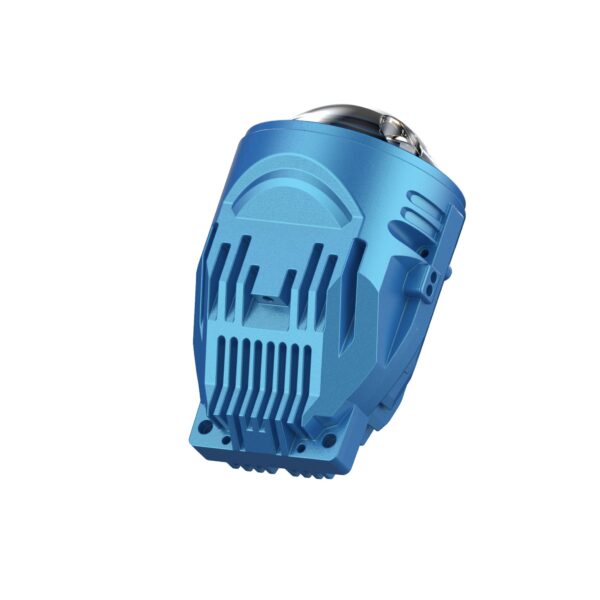
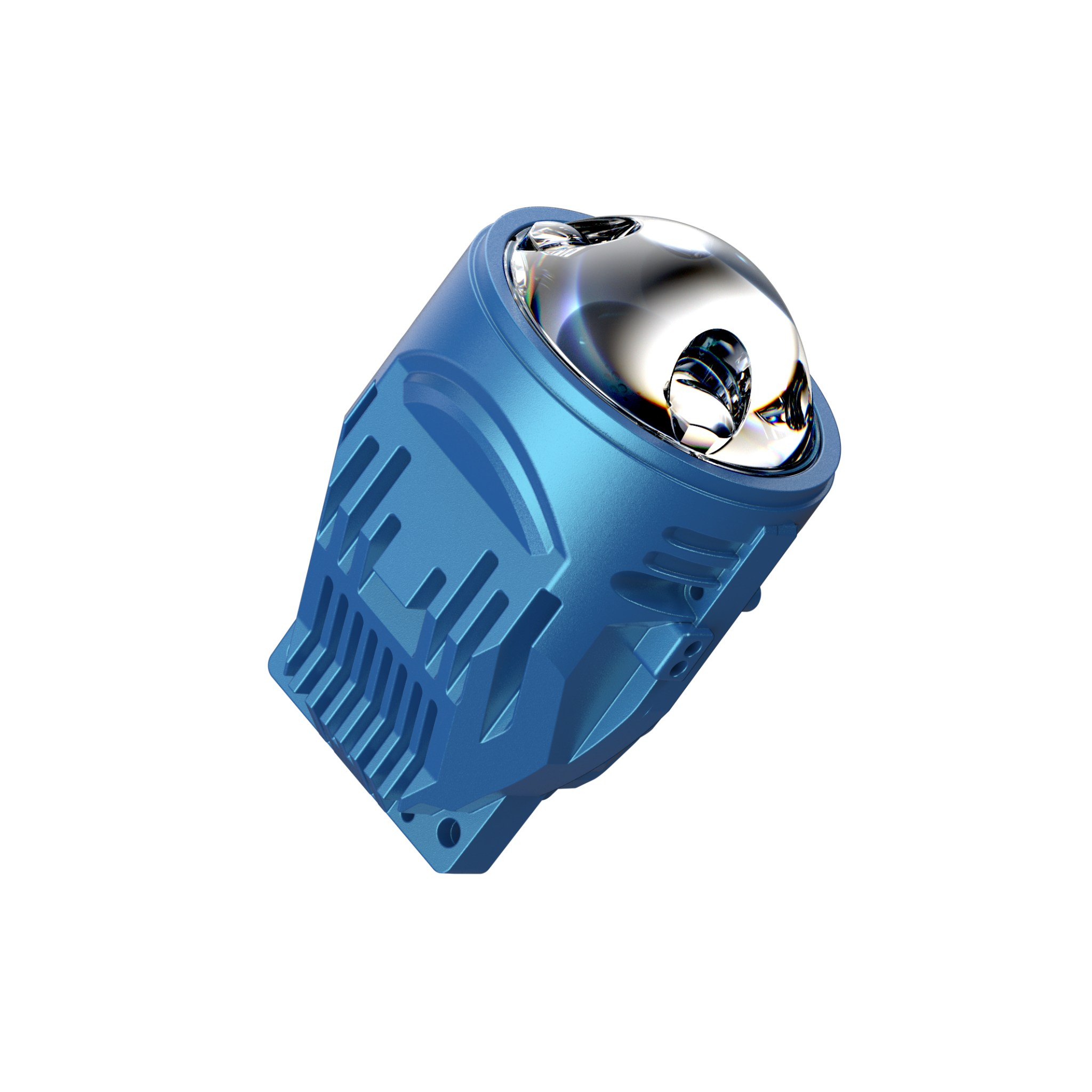
For customers considering MOLRIE products, the specific unit referenced here is the F08 tri-color projector fog light. Product documentation lists three adjustable light color modes: cool white, warm yellow and golden yellow. This only indicates the product offers switchable color modes. It does not prove performance advantages under specific weather conditions, nor does it confirm fitment for a particular vehicle, compliance with local regulations or stock availability.
What Information Should Buyers Confirm About Lamp Purpose and Beam Patterns?
Start by confirming the exact product model and intended mounting position. Clarify whether the unit functions as a fog light, an auxiliary lamp or part of another lighting assembly. Request up-to-date specifications and documentation, check which scenarios each mode is designed for, and confirm whether these match your intended use.
When evaluating the F08, cool white, warm yellow and golden yellow modes can all be reviewed. The focus should not be on speculating about presumed effects of different colors, but on gathering product information relevant to practical use. Supporting documentation should help buyers judge whether a feature fits their operating environment and how well it meets their requirements.
How Can Buyers Confirm Vehicle Compatibility and Local Requirements?
To buy MOLRIE products, enter the requested vehicle registration and mounting position for the supplier. Verify what are the requirements of your region where the vehicle is registered and driven. Simply liking white or yellow light better does not make it street legal, nor is any lamp that can be installed onto a car suitable for on-road use.
Two separate checks must be made: first the product is appropriate for that vehicle and mounting point, second are local laws surrounding such lighting equipment on their vehicles; Ask questions to clarify if either point is unclear before proceeding with installation rather than filling in information gaps based on generic assumptions about yellow light.
FAQ
Q: Are Yellow Headlights Legal Everywhere?
A: There is no universal answer. Check local regulations to confirm compliance regarding the lamp’s mounting position, intended function and product category. The availability of a color option on a product does not mean that color is approved by local laws.
Q: Can Yellow Fog Lights Replace Headlights?
A: Fog lights and main headlights are not interchangeable simply because their light color may look similar. Before modifying factory lighting setups, review vehicle documents, product specifications and the intended purpose of the lamp to ensure full compliance with applicable rules. Fog lights should not replace essential lighting designed for dedicated functions without proper verification.
Q: Is a Yellow Light Beam the Same as Yellowed Lamp Lenses?
A: No. A yellow light beam is a deliberately designed output color of the lamp, while yellowed lenses are a condition-related defect. When selecting yellow lighting, evaluate it as a functional lighting option. If the lens turns discolored, inspect the lamp assembly and consider maintenance.