
Why Do Vehicle Headlights Turn Yellow or hazy?
When vehicle headlights appear yellow or cloudy, visual inspection alone cannot determine the root cause or the appropriate remedy.Such changes may stem from removable surface deposits, haze, crazing, cracking, delamination, or internal moisture inside the lamp housing. These conditions are distinct and not interchangeable.
How to distinguish surface haze from cracking or moisture ingress?
Precise terminology should be used when describing the condition of automotive headlights. Per a US automotive lighting standard: haze means the cloudy appearance of an otherwise transparent sample caused by light scattering on or within the material; cracking means deep separation between adjacent sections of plastic; crazing means a visible network of fine cracks on or just beneath the material surface; delamination means separation between material layers, including coatings.
Internal moisture ingress is a separate issue. The same US standard specifies that test lamps must not show visible internal delamination, moisture, haze or condensation after humidity-heat resistance testing. This is a protocol designed to meet test specifications, not a consumer repair procedure. Ultimately, it is a test requirement rather than an operational guide for end-user repairs.
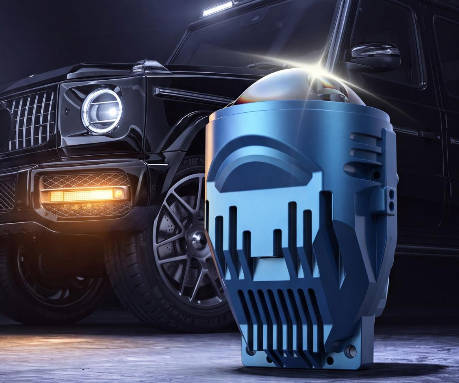
Based on the definitions above, haze, cracking, crazing, delamination and internal moisture ingress are regarded as separate conditions, not alternative names for the same issue. Each term describes a distinct visual defect or material-level failure mode.
How to Clean Yellowed Headlights at Home?
Below is the safe scope for removing yellowing from headlights at home: only address defects suitable for localized cleaning. Select a cleaning method compatible with the specific lens and re-assess results after operation. Cleaning should not be promoted as a universal fix for cracking, crazing, delamination or internal moisture ingress.
What should be inspected before cleaning?
First identify where the defect is located: on the accessible outer surface, beneath the surface, between layers, or inside the lamp housing. Check whether the lens is merely hazy, or has fine cracks, deep separation, peeling coating, or internal condensation. If you cannot confirm the root cause, do not select a remedy based only on discoloration.
Lastly, refer to manuals for the vehicle, lamp assembly and cleaning product to confirm compatible applications. This is the proper workflow for cleaning yellow headlights and prevents trial-and-error maintenance. Always follow product instructions for cleaner type, application method, pressure, dwell time, rinsing and drying; these parameters vary by product.
How to Perform Surface Cleaning Without Full Restoration?
Treat cleaning and restoration as two separate processes. Follow the approved cleaning procedure for the lens, then recheck once fully dry. This only confirms whether the accessible surface condition has changed. It does not mean remaining hazy areas require aggressive scrubbing. A changed surface appearance does not justify heavier wiping for leftover haze.
If the defect persists, reclassify the condition. Lingering haze or visible structural damage requires a product-specific decision for restoration, service or replacement. Repeated use of unproven methods is not a valid solution to safe at-home headlight cleaning.
How to Restore Yellowed Headlights & When Replacement Is Better?
Cleaning addresses surface defects that can be treated with controlled surface treatment. Restoration refers to intentional surface treatment following product or manufacturer-approved workflows. If a condition is not suitable for restoration, service or replacement should be considered. The same recommendation applies when the component is no longer viable for routine maintenance.
What Defects Can Be Addressed by Manufacturer-Guided Restoration Workflows?
Before starting restoration on yellowed headlights, refer to guidelines specifying lens type, coating, lamp condition and expected outcomes. Treat the process as a complete, integrated system, rather than assembling random sanding, chemical treatment, coating or curing steps from separate kits or tutorials. This article does not provide universal parameters for any individual restoration step.
Confirm what the workflow covers and excludes, then follow its inspection and maintenance instructions. Our primary recommendation is to separate cosmetic changes from functional performance. A clearer appearance does not automatically mean the lamp meets all performance criteria. Do not assume improved visual clarity equals full functional integrity; treat appearance and functionality as separate evaluation criteria.
When Cleaning or Restoration Is Insufficient?
Structural defect classification serves as an indicator for advanced service, not remote diagnosis. Visible cracking, crazing networks, delamination and unresolved internal moisture require product-specific evaluation. US outdoor exposure testing also lists discoloration bleed, delamination, crazing, cracking, surface degradation and dimensional change as physical failures that impair material performance.
Confirm whether the lamp documentation permits restoration for the observed defect. If the condition cannot be classified, instructions conflict, or the workflow does not cover the observed damage, seek professional inspection or manufacturer guidance before deciding to repair or replace the automotive headlight.
How to Prevent Headlight Yellowing?
To prevent yellowing and remove haze on headlights, select compatible maintenance products, follow applicable instructions and monitor visual changes regularly. Avoid claims that one treatment only works for a single tool. Prevention is an ongoing maintenance routine, not a guarantee that the lens will never degrade.
For automotive headlights, maintenance intervals and treatment schedules must follow official documentation. If no interval is specified, do not create one arbitrarily, and keep accurate records of applied products and timestamps.
How Vehicle Owners Should Select Compatible Cleaning & Protection Products?
Check product specifications to confirm coverage for headlight lenses and their coatings. Before use, read application conditions, removal instructions, optical application notes, maintenance guidance and warranty terms. A label suitable for vehicle paint, glass or general plastic does not confirm compatibility with automotive headlights. Labels marked safe for skin, paint, glass and generic plastic also do not guarantee lens compatibility.
Compatibility must be explicitly stated. For any cleaner, restoration kit, coating or film without clear application information for your vehicle model, request written guidance from the product manufacturer, lamp supplier or vehicle OEM. If a cleaner, restoration kit, coating or film lacks defined application scope, contact its manufacturer for written instructions and consult the lamp distributor and vehicle supplier.
What Should Buyers Verify When Purchasing MOLRIE Automotive Headlights?
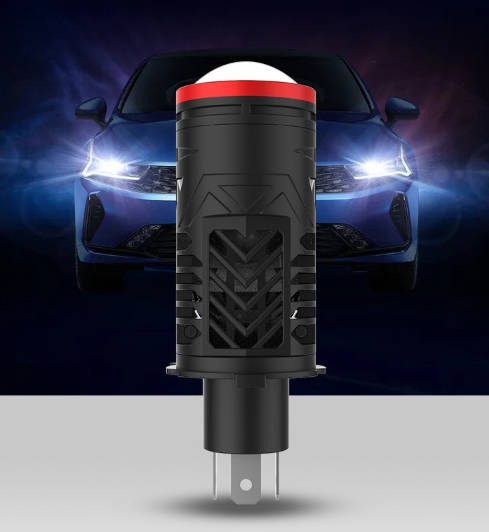
All maintenance inquiries for MOLRIE must first be tied to a specific product identifier. Product category names or similar appearance alone cannot confirm lens material, coating grade, permitted cleaning/adjustment tools, or vehicle fitment.
What Fitment & Lighting Details Should Buyers Confirm?
Provide vehicle make, model, year, trim or market version, plus the mounting position of the MOLRIE lamp. Confirm whether the component is a bulb, fog light, auxiliary lamp /headlight, or a complete assembly. Then request dimensions, installation details, wiring connector specifications, electrical ratings, operating requirements and installation instructions for that exact part.
This checklist serves as a permanent record for pre-purchase verification and future headlight maintenance.
What Product & Maintenance Information Should Buyers Request?
Obtain MOLRIE product identification, cleaning instructions listing permitted and prohibited treatments, plus material and coating data to support maintenance decisions. If you plan to use restoration products or protective films, request guidance made specifically for this lamp instead of applying instructions from other models.
Keep product identifiers, documentation and purchase records together as a consistent reference for headlight maintenance, and avoid guessing specifications.
FAQ
Q: Can sunscreen protect headlights from yellowing?
A: There is no universal answer independent of the exact product. A sunscreen label cannot guarantee effectiveness, optical safety, durability or material suitability for headlight lenses. Without lens-specific test data and official guidance, its performance and compatibility cannot be confirmed.
Q: Can paint protection film (PPF) prevent headlight yellowing?
A: PPF is a broad product category and does not inherently deliver verified protection. Outcomes depend on the specific film, adhesive, lens material or coating, installation, maintenance, removal process and service conditions. Check lens-specific documentation, and do not generalize generic film descriptions as performance guarantees for headlights.
Q: When should headlights be inspected by a professional?
A:Professional inspection is required when visible defects cannot be reliably classified, when cracking, crazing, delamination or recurring internal moisture are observed, or when the official instructions do not cover the defect. Professional assessment is also recommended before repair or replacement if product identity or compatibility remains uncertain.