
What Does a Yellow Headlight Mean for Snow and Fog Driving?
A yellow headlight is a vehicle light setup to deliver an intentionally warm-colored cut-off beam. That description does not, by itself, define better viewing distance for longer; the surest new-world design would make peering speedier to contain glare and drive more securely. For actual use in snow and fog, the question is much more limited: what has been true for the very lamp you wish to purchase under precisely anticipated operating conditions (& those of your vehicle)?
This separation handles a color preference apart from the function claim. A buyer may like a warmer beam but will still question you about the entire lighting ensemble. The same discipline is helpful when comparing a selectable yellow mode with white: note what changes, what remains at a constant level and which visible test was actually performed.
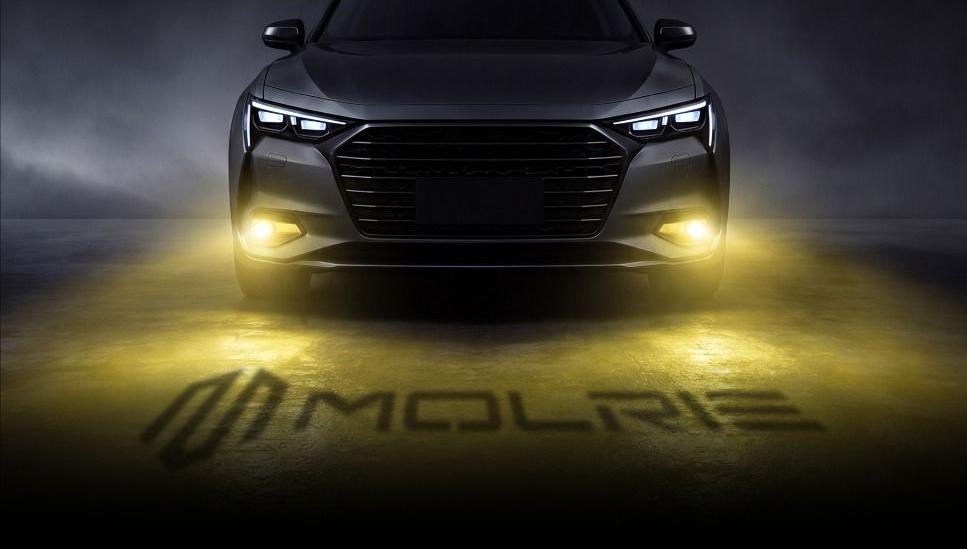
How Is a Yellow Beam Different from a Yellowed Headlight Lens?
A yellow beam by intention is deliberate output colour. A yellowing lens is a symptom of your headlight or lamp, not a lighting mode. If a lamp that should appear white turns discolored only partially or does not match the other side, then this warrants an investigation and not conclusions on whether yellow headlights are better.
This distinction also helps to separate two different search intents from being mingled with one another. A warm white color is a question of product selection for you. A return of a cloudy or discolored lens is a maintenance question. For one not to be treated as evidence for the other. Nobody should be put forward as evidence for anybody else
Yellow Headlights vs White: What Changes in Snow and Fog?
Yellow headlights vs white is a search phrase likely to have been looking for only color, but real-world comparisons usually involve entire lamps which can come in quite different packages. Make sure that the lamps had matching function, optical design, output, installation position and test method before crowning a winner. If controlled for these factors, the outcome is attributable to the systems tested and not beam colour alone.
How Does Fog Change the Yellow-White Headlight Comparison?
A controlled experiment examined target detection in a dark, artificial-fog environment using complete halogen, xenon, and LED headlight systems. Participants detected the target in the shortest average time with the tested halogen system, followed by the tested xenon system and then the tested LED system. The measured color temperatures were 3031 K for halogen, 5098 K for xenon, and 5122 K for LED.
Although this is valid evidence, the border matters. These experiments compared various headlight technologies, not matched light sources that differed primarily in color. As a result it cannot conclude that all yellow headlights are safer than any white lamp, that the light from yellows penetrates farther or reached to be of color was independently responsible for the measured order. Reason to assess entire systems and test environments, not a blanket judgment between yellow and white.
What Does Snow Change on the Road?
This experiment has been acknowledged for its addressing of specs such as dark and foggy conditions, but this latest one did not test snow. This means that any time of snow comparison must be based on snow-specific data for the products and conditions in question. The safest conclusion, in the absence of that evidence, is not to transfer the fog result onto snow at all. The best deduction is not to extrapolate the fog result to snow, absent that evidence.
Instead, ask questions that allow for a snow-use decision: Was the particular lamp tested under falling or accumulated snow? Did the test concern target detection, driver preference or something else? Were you comparing lamps for the same purpose? These queries help a buyer distinguish between an on-topic outcome vs. something generic added to the keyword yellow headlight.
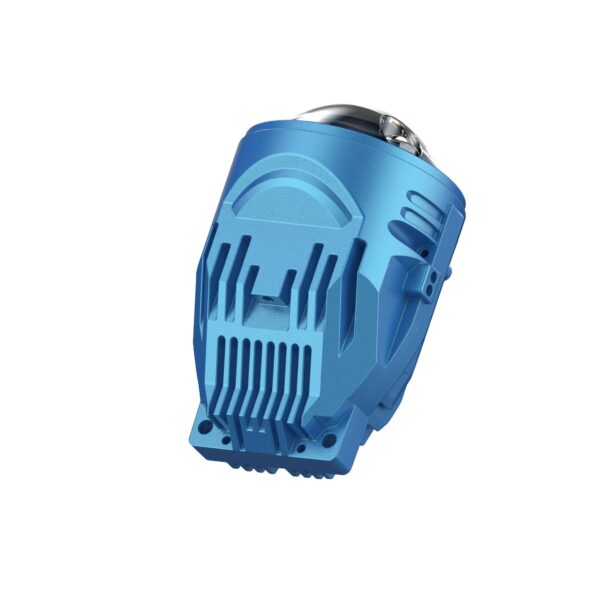
What Are the Benefits and Limits of a Yellow Headlight?
Configuration choice is the most obvious benefit that can be defended. A lamp of multiple colors can allow a user to restore the warm mode when that mode is applicable and allowed for use with regard to that product. It is different from saying definite visibility or safety improvement. The worth is that the option itself was documented in the context of a particular lamp, but we still need appropriate evidence for whatever performance you got with it.
The central limit is equally clear: color alone does not answer whether the complete lamp is appropriate. A well-grounded decision keeps the color mode, lamp purpose, vehicle compatibility, installation instructions, and applicable rules together.
Which Differences Depend on Weather and Beam Design?
Compare like for like, instead of assuming an effect. Do both of the products are headlamp, do they both fog lamp or two different categories lamps? Do they represent the same position of the vehicle? Does the comparison hold optical system constant, or do you keep changing light source and lamp design at once? The test does cover either fog, snow or both?
These checks make white vs yellow headlights a useful buying question rather than a slogan. When the products or test conditions differ, describe the difference as a result for those configurations. Do not assign the result to color unless the evidence actually isolates color.
What Should Drivers Not Assume from Color Alone?
Drivers should not assume that a yellow headlight inherently penetrates fog, reaches farther, reduces glare, improves reaction time, or makes winter driving safer. They should also avoid treating a warm color name as proof of legal use, vehicle fit, or headlamp function. Each of those conclusions needs evidence for the exact product and situation.
An appropriate answer is required, not a universal assurance: there could be yellow mode and the upcoming buyer may desire having this option or preference however an application with justification followed by performance needs individual verification from permission as well. A verifiable answer remains much more valuable than a blanket pledge: A yellow mode might exist and happen to serve the buyer’s taste, but its actualization/application/permission still warrants verification on its own.
How Should Buyers Evaluate MOLRIE Fog-Light Options for Snow and Fog?
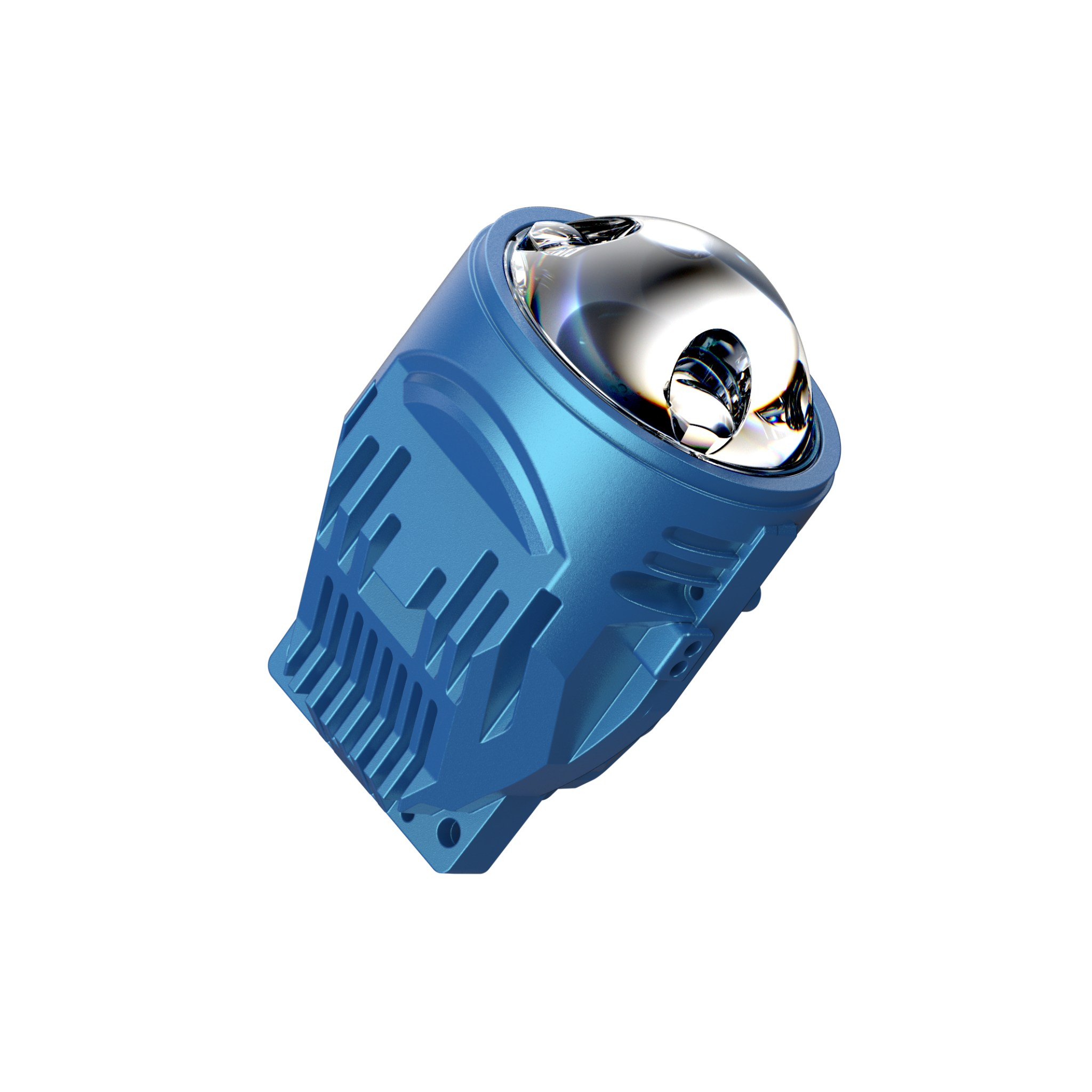
For buyers assessing MOLRIE, the verified product example is the F08 tri-color projector fog light. We list three adjustable light-color modes for F08: cool white, warm yellow, and golden yellow. This supports a statement about selectable modes only; it does not establish a weather-performance advantage, legal status, fitment, or current availability for a particular vehicle.
What Should Buyers Confirm About Lamp Purpose and Beam Pattern?
An exact item, the intended lamp position to start with. Check whether the product is assessed as fog light, another auxiliary lamp or part of another lighting arrangement. Make inquiries for the present action and establishment information, nature of relevance with each mode, and shaft data required in working based on motivation behind utilization.
For F08, cool white and warm yellow or golden yellow can be included as part of the evaluation. The following is not utilize what those hues do, it acquires product-related information that addresses the use case of some buyer. The next step is not to speculate what those colors do but rather to get product-specific details that support the buyer’s use case. The nature of this specific information has deep expertise questions inside it or helps them understand how exactly a feature can assist in their usage as necessary.
How Should Buyers Verify Vehicle Fit and Local Requirements?
When buying from MOLRIE, only provide the required vehicle indication and lamp position that has been asked for by the seller. Check separately the current requirements that apply where you want to register and drive your vehicle. Do not use a blanket preference for white vs. yellow headlights to justify or allow fitment.
This two-step test—product compatibility and rules applicable to that vehicle at the location in question—anchors the decision back to real-world hardware. If either part remains unclear, clarify it pre-installation rather than closing the gap with a broad assertion about yellow light. This indirect assertion about yellow light is not a satisfying foil unless both parts are clear in your mind and you work out what each means well before installation.
FAQ
Q: Are Yellow Headlights Legal Everywhere?
A: Never assume a global answer. Check for rules that apply to the jurisdiction, lamp position, function and product you have installed. A color offering for a lamp is not, in and of itself, an approval within the jurisdiction. A color option offered for a lamp is not an approval specific to the jurisdiction, say
Q: Can Yellow Fog Lights Replace Headlights?
A: The common hue should not imply that f and g can be used as substitutes. Before changing the required lighting configuration, verify conditions and documentation of the vehicle type along with use for that lamp. Do not replace a required optical configuration for the exact intended purpose of that lamp without checking with vehicle documentation and all applicable requirements.
Q: Is a Yellow Beam the Same as a Yellowed Lens?
A: No. A yellow beam is an intended color output, while a yellowed lens is a lens-condition issue. Choose and verify a yellow headlight as a lighting option; inspect a discolored lens as a maintenance concern.