
Suppliers may interpret a photo of red vehicle lights differently. What you need could be a red halo, a red housing, or bulbs that emit red light. Include these details in your inquiry, along with the vehicle model and target country, before sending it to suppliers for quotations. This ensures you are comparing identical requirements with clear lamp specifications and fitment criteria. Discussions with brands can then focus on specific solutions and supporting documentation supplied with the products.
What Components Are Included in a Red Light Solution?
What Is the Difference Between Red Halo Lights and Primary Lighting?
The halo on a red halo headlight generally refers to the illuminated ring surrounding the main optic. Mark this area on your drawings and ask suppliers to explain its light-emitting principle and control method. Then move on to low-beam functions: what color light does it produce? What performance documentation is available? The halo in photos may match your expectations perfectly, yet you still need confirmation for the road-illuminating section, even if both functions share the same housing.
Red Bulbs and Forward Lighting
A red light bulb generates red light from the light source itself. State clearly in your inquiry whether you require decorative lighting or a replacement for regulated headlamp sources. For passenger vehicle headlamps covered under US FMVSS No. 108, low beam and high beam must emit white light. Red light sources are therefore not an equivalent substitute for white sources in these lamps.
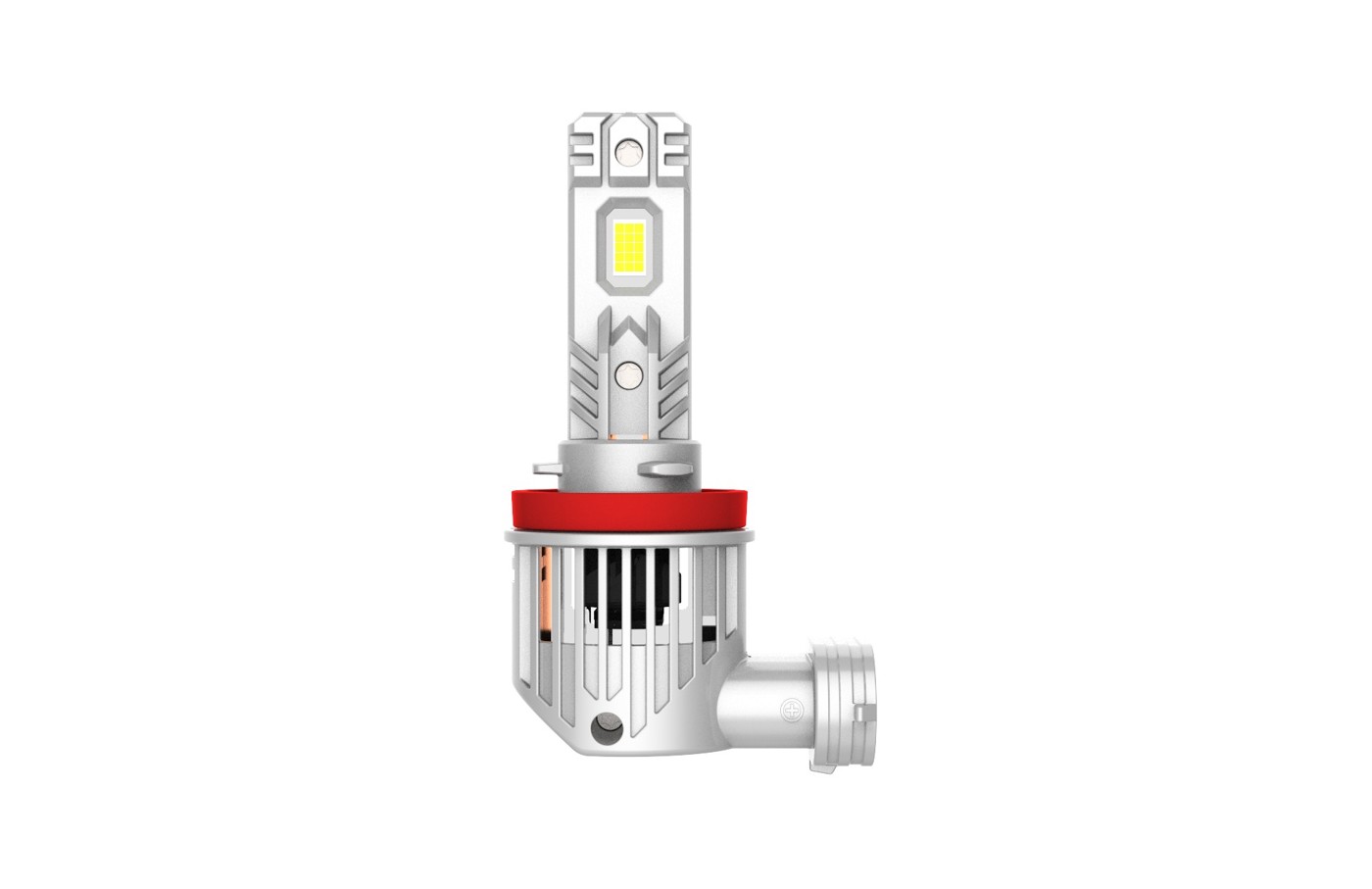
If you also need white-light products for comparison, you may consider the Y5 plug-and-play LED bulb. It does not fulfill the requirement for red bulbs. Its fitment and intended use must be assessed separately, independent of the red decorative lighting solution.
Road Usage Regulations Restrict the Application of Red Lighting
What Red Light Regulations Apply to Your Target Market?
Where the vehicle will be operated forms part of the specifications and should not be addressed after purchasing the lamps. Clearly state the country and vehicle category in your inquiry. If the same red light design is intended for multiple countries, assess each market separately. In the United States, state or local vehicle usage rules apply in addition to equipment requirements. Conclusions drawn for mandatory OEM headlamps may not apply to auxiliary add-on lamps.
Can Accent Lights Be Used on Public Roads?
Accent lighting does not qualify for an exemption on its own. NHTSA outlines concerns with forward-facing red light: other road users may mistake it for taillights. Reviews for auxiliary lighting take brightness, color, mounting position and activation method into account. The key consideration is whether legally required lighting is compromised. A separate on/off switch can be built into the design but does not resolve this concern by itself, nor does an “off-road use only” label.
How to Select a Suitable Aftermarket Lighting Brand?
Light Fitment and Beam Pattern Documentation
When selecting aftermarket lighting brands, a unified requirement document is still necessary. Quotations from all suppliers should correspond to a defined assembly, with listed compatible model years and original factory lighting configurations. Review installation drawings and connector information to ensure space remains for adjusting the aiming mechanism after fitment.
Cross-check beam pattern reports alongside quotations item by item. Reports must cover the quoted red lamp assembly, light source and version. If the supplier changes bulbs or housing after testing, they need to justify the continued validity of the test report. Document any configurations not covered by the report. Wall-projection photos help visualize beam appearance, and you should request photometric test results specific to the lamp.
What Traceability Documents and After-sales Support Should Be Verified?
If connectors differ from submitted samples after delivery, sample records can be referenced for traceability. Both parties should agree on the resolution process for such discrepancies. File sample IDs, production batches, drawing revisions and test reports together with the order paperwork. Clarify handling rules for configuration mismatches, damage and failed acceptance while negotiating the order.
The same logic applies to warranties: fault diagnosis, part arrangement and shipping cost responsibility need to be defined. Review written claim procedures together with warranty coverage and exclusions to confirm accountability for each service item.
What Specifications Need to Be Defined for Custom Automotive Lights?
Which Vehicle Information, Lighting Functions and Interfaces Need to Be Clarified?
When drafting requirements for custom automotive lights, start by listing the original lamp part number, as well as the vehicle make, model, year and trim level. Add dimension data to photos of mounting space and connectors; mark ambiguous areas clearly on drawings.
Describe low beam, high beam and red accent lighting separately, and specify supply voltage, control interfaces and switching methods. A complete requirement document should explain how the lamp operates just as clearly as it shows its appearance and mounting space.
Sample Acceptance Requirements for Custom Lights
Agree on sample acceptance criteria before development. What standards must be met for mechanical fit, electrical performance, appearance and beam pattern evaluation to pass inspection? If environmental testing is required, define test methods and expected results. The term “durable” alone cannot serve as a test standard or a comparable result.
Some inspections require the lamp to be installed on the vehicle, and these should be included in the plan. For red light samples, record accent color, control functions and primary lighting results separately. Keep photos of test setups, power supply conditions and control settings. This provides a reference configuration for review when design changes are proposed later.
What Should Be Confirmed with MOLRIE Before Sampling?
Scope of Lighting Design & Manufacturing Undertaken by MOLRIE
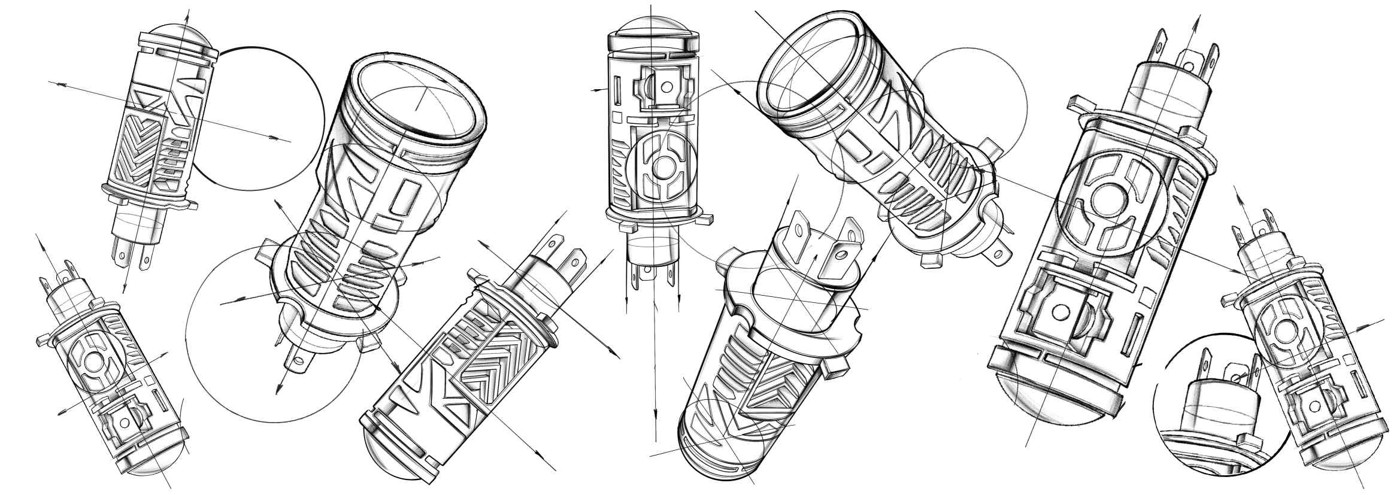
MOLRIE’s OEM/ODM scope covers optical, electronic and structural engineering. Design work includes hardware, structure, color, materials, surface finishing and user interface; manufacturing covers SMT production, burn-in testing and quality inspection. When defining the project, discussions can be organized around these areas to agree on the specific red lighting design, responsible parties for each task and documents to be delivered.
What Documents and Commercial Terms Need Confirmation Before Sampling?
Submit vehicle information, drawings, target market details and the sample checklist to MOLRIE together. Review the reply to identify actionable items and pending technical clarifications, and confirm what supporting documentation will come with the samples. While confirming the quotation, settle sample charges and mold ownership; change control rules and delivery dates shall also be stated in the project agreement.
File the approved samples against this version of the requirement document. Project supply arrangements and commercial terms shall be governed by the mutually agreed proposal. An overview of manufacturing capacity is only the starting point for communication.
FAQ
Q: Can Red Halo Lights Be Used on Public Roads?
A: Labeling it as accent lighting does not grant automatic exemption. Before road use, the proposed red halo lights should be reviewed by the competent authority of the target market, with supporting functional and mounting data including forward light color and activation conditions for the halo.
Q: Can Red Light Bulbs Replace White Low-Beam Bulbs?
A: This replacement is not allowed for US headlamps subject to white low-beam requirements. Red bulbs shall not substitute such white light sources. Other intended uses must be assessed separately based on function and local regulations. A compatible bulb base alone is not sufficient to approve the application.
Q: What Information Is Required for Custom Automotive Light Inquiries?
A: When inquiring about custom automotive lights, provide original lamp and vehicle data, specify the target market and operation logic of each function, and attach dimensions, electrical interface specs and acceptance criteria. Reference drawing revision numbers to ensure quotations and samples correspond to the identical design.
Q: Can MOLRIE Confirm Specifications for Custom Red Lights?
A: Submit your proposed requirements for red lights to receive a feasibility response. Inquiries shall be based on a specific lamp unit. General OEM/ODM capability does not guarantee supply eligibility or road legality for this lamp, and the supplier needs to provide project-specific commercial terms as well.